


Rosia
4.3890.00 Reviews
App Specs
- Version
- 1.0.3
- Updated On
- License
- Free
- Downloads
- 50,000+
- Developer
- WORDSFLY LIMITED
- Categories
- Books & Reference
- Platform
- Android
Screenshots
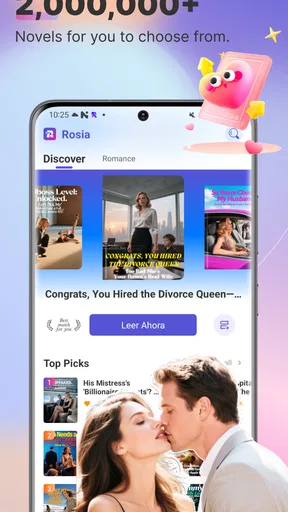
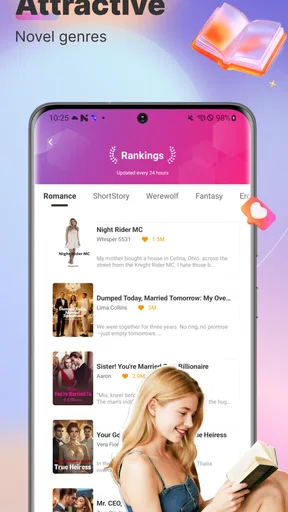
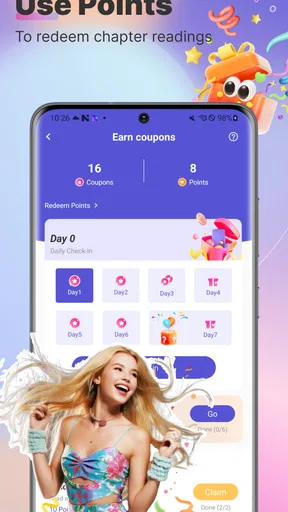

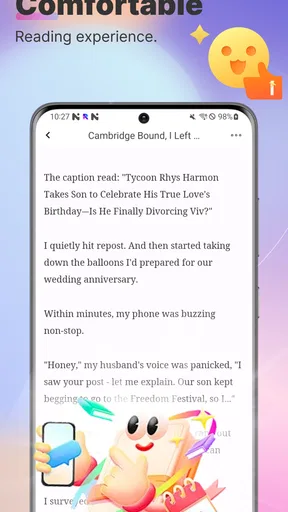
 Analysis by AppCompare
I’m always interested in reading apps that help stories find their audience, so I approached Rosia as a place to explore and spend time with books rather than as another general-purpose phone tool. That distinction matters: the app is listed in Books & Reference, and its appeal depends on what you want from a reading experience. I’d consider it if I were looking for a dedicated reading destination, but I would not expect it to replace a task manager, calendar, or notes app.
What the free price does—and doesn’t—tell you
Rosia is free to download, which makes trying it a low-commitment way to see whether its reading experience suits you. It also offers in-app purchases ranging from $4.99 to $99.99 per item, so free access and the full range of paid options are not the same thing. I’d start by exploring what is available without paying, then decide whether any purchase is worth considering for the way I actually read. The price range alone doesn’t tell me what each item includes, so I would check the details in the app before making a purchase.
That is a more useful way to judge its value than assuming “free” means every part of the experience is free. If I only want to browse and see whether the app feels comfortable, the free download gives me a chance to do that. If I’m considering spending money, I’d first identify what I hope to get from a purchase and whether the app makes that benefit clear. My practical rule is to explore first and pay only for something I can name and expect to use.
Getting Started with Rosia
First things first, installing Rosia was a breeze. A quick download from the app store, and I was ready to dive in. The setup process is straightforward, with a neat interface that guides you through the initial configuration. It’s like the app is holding your hand, ensuring you don’t miss a step. Once everything was up and running, I was eager to explore what Rosia had to offer.
Reading habits that make the app more useful
For a reader, the value of a book app often shows up in small routines: what you open when you have a few spare minutes, how easily you return to a story, and whether the app encourages you to keep reading instead of getting lost in menus. I’d treat my first session as a test rather than trying to make the app part of every reading habit immediately. Browse around, open something that interests you, and notice whether the path from discovery to reading feels natural.
A realistic use case is a short break between errands or during a quiet moment at home. Rather than spending that time deciding what to read from scratch, I’d use one session to find a story that fits my mood, then return to it during the next spare moment. That is a simple workflow, but it helps reveal whether the app earns a place on my home screen. If I find myself repeatedly opening it with a clear reading goal, it is doing something useful for me; if I keep browsing without settling on anything, the experience may not match how I like to choose books.
I’d also separate browsing time from reading time. When I’m in the mood to explore, I can look for something new; when I only have a few minutes, I want to continue reading rather than restart the search. Keeping those intentions distinct is a small but practical way to avoid turning every visit into an open-ended scroll. It also gives me a fairer sense of whether the app supports the kind of reading I actually want, rather than judging it only by its first impression.
Worth Reading Before You Choose

EA SPORTS FC Mobile 26 Is a Bigger Football Game, but It Takes Time

Flipboard Shows What News Apps Must Do Beyond the Feed

Switching to Android Auto Means Rethinking Your Driving Routine

Google Calendar Makes a Crowded Week Easier to Manage

Ludo King Makes the Most of the Minutes Between Plans

Baby Panda World Brings Quick Play to Modern Phones, but Its Game Library Feels Busy
Features That Stand Out
What makes Rosia shine is its robust set of features. Whether you’re looking to organize your schedule, keep track of your tasks, or manage your notes, this app has got you covered. One feature that really caught my attention is the smart reminders. They’re not just your regular notifications; they adapt based on your usage patterns, which is pretty neat. It’s like the app knows when you need that extra nudge.
Another feature worth mentioning is the seamless integration with other platforms. Whether it’s syncing with your calendar or connecting with your favorite productivity tools, Rosia makes it seem like a piece of cake. I’ve got everything I need in one place without having to jump between apps, and that’s a huge time-saver.
Choosing it over familiar reading alternatives
Compared with a general e-book reader, a broader digital library, or simply reading on a web page, a dedicated app can be appealing when I want one place to return to for stories. The trade-off is that a specialist reading app is only valuable if its available reading material and browsing experience suit my tastes. I would not assume that any one app has every title I want; if I rely on a particular author, series, or format, I’d check whether I can find the material I care about before making it my main reading option.
A general-purpose e-reader may be a better fit if I already have a carefully managed collection or prefer to bring my own books. A library service may suit someone who wants to borrow from a local collection, while a browser can be enough for occasional reading. Rosia makes the most sense to me when I want to explore a reading-focused app without first organizing a personal library. The useful comparison is not simply which app has the longest feature list; it is which one gets me to something I genuinely want to read with the least friction.
One tip I’d use before settling in is to test the app with two different reading moods: choose something I’m curious about, then try to find something for a very different occasion. That reveals more than repeatedly checking the same screen. It helps me see whether discovery feels broad enough for my interests or whether I’d be better served by a more familiar catalogue or a reader built around books I already own.
Interface and User Experience
The design of Rosia is something to write home about. It’s sleek, intuitive, and easy on the eyes. I’m a sucker for good design, and Rosia hits the mark with its clean layout and user-friendly navigation. The menus are logically organized, and you don’t have to be tech-savvy to find your way around. It’s refreshing to use an app where everything just works without a hitch.
Ease of navigation is especially important in a reading app because a complicated interface can make a relaxing activity feel like admin. I’d pay attention to whether I can move between looking for a story and actually reading without losing track of what I intended to do. A tidy first screen is a good start, but the more revealing test is how it feels after several visits: can I get back into my routine, or do I have to relearn where I left off each time?
There is also a useful distinction between an app being easy to open and it being right for every reader. Someone who enjoys browsing may welcome a discovery-led experience, while someone who knows exactly what they want may prefer a direct search or a familiar collection. I’d judge the interface by how well it supports my own reading style, not by how polished it looks in isolation.
Who is likely to get the most from it
I’d recommend giving Rosia a try if you want a reading-focused app, are open to discovering stories, and are comfortable evaluating optional purchases as you go. It is also a sensible option for someone who wants to test a new place to read without paying an upfront download price. The app has a Teen content rating, a detail worth keeping in mind for families and younger readers; adults choosing for someone else should still look at the material together and decide what is suitable for that individual.
I’d be more cautious if I only want books I already own, need a specific title, or prefer a service whose borrowing arrangements are central to how I read. In those cases, a personal e-reader library or a library-focused alternative may be more predictable. I would also skip it if I am looking for productivity tools: the older description of reminders, schedules, task management, and platform integrations does not match Rosia’s actual identity as a Books & Reference app. For a decision about this app, I’d focus on reading rather than expecting it to manage daily work.
For everyday use, I’d make the first visit a short trial: find something that interests me, read for a few minutes, and then close the app. On the next visit, I’d see whether returning feels straightforward and whether I still want to continue. This is a better test than spending a long first session exploring every corner, because it mirrors how reading apps are used in real life: in small, repeated windows of time.
What to check before spending or settling in
Readers often want to know whether they can use an app without paying, whether purchases are necessary, and whether the content matches their interests. Rosia costs nothing to download, but optional in-app purchases mean I would inspect the purchase screen carefully rather than treating the initial price as a promise that everything is included. I’d also check that the specific kind of reading I want is available before I build a routine around the app. Those two checks answer the practical questions that matter most: can I use it in a way I enjoy, and is any paid option worthwhile to me?
On compatibility, Rosia’s stated minimum operating-system requirement is Android 6.0. I’d check my device’s software before trying to install it, particularly if I use an older phone. The app is developed by WORDSFLY LIMITED, and its current version is 1.0.3. Its average rating is 4.6 from around 3,300 ratings, with about 320 written reviews, and it has more than 10,000 installs. Those figures suggest that other readers have tried it, but I would still treat them as context rather than proof that its catalogue or purchase options fit my personal needs.
Why Rosia is Worth Your Time
If you’re like me and are always on the lookout for tools that can boost your productivity, then Rosia is definitely worth checking out. The app doesn’t just offer a bunch of features; it does so with exceptional usability and thoughtful design. It’s clear that the developers have put a lot of thought into how people use their app, and it shows.
Another thing I appreciate about Rosia is the regular updates. It’s always a good sign when an app is continuously improving, and Rosia’s team seems committed to making their product better with every update. New features, performance enhancements, and bug fixes are rolled out consistently, keeping the app fresh and reliable.
My buy-or-skip verdict
I’d put Rosia in the “try it first” category rather than recommending that anyone pay before knowing what they will get. Free installation makes it easy to evaluate, and the presence of in-app purchases gives readers a reason to be deliberate about spending. If I find reading material I genuinely want and the app fits my routine, I can then weigh a purchase on its own merits. If I can’t find a good match, there is little reason to keep browsing just because the app is available.
The clearest reason to choose it is the chance to explore a dedicated reading app without an upfront download cost. The clearest reason to skip it is a mismatch between its reading experience and the way I already get books, or uncertainty about whether paid items offer value for my specific needs. I’d avoid making a purchase simply because it is presented in the app; I’d first ask whether it solves a real problem in my reading routine.
Final Thoughts
So, what’s the bottom line? Rosia is a gem of an app that’s well worth a spot on your device. It’s a powerhouse of productivity tools wrapped up in a beautifully designed package. I’ve found myself relying on it more and more, and I can’t imagine going back to my old ways of juggling multiple apps for my daily tasks.
If you’re curious to see what all the fuss is about, why not give Rosia a whirl? You might just find that it’s exactly what you’ve been missing. Trust me, once you’ve tried it, you’ll wonder how you ever managed without it.
Pros
- User-friendly interface with intuitive navigation.
- Wide range of customization options available.
- Seamless integration with other platforms.
- Offers offline functionality for convenience.
- Regular updates with new features and fixes.
Cons
- Occasional glitches during heavy usage.
- Limited free version features.
- Requires high storage space on devices.
- Some features need a stable internet connection.
- Customer support response time can be slow.
FAQs for Rosia
What is Rosia, and what features does it offer?
Rosia is a productivity app designed to streamline task management and collaboration. It offers features like real-time project tracking, team communication tools, and customizable workflows. Users can also integrate with popular services like Google Workspace and Slack, making it a versatile tool for both personal and professional use.
Is Rosia available on both Android and iOS platforms?
Yes, Rosia is available for both Android and iOS platforms. Users can download it from the Google Play Store or Apple App Store, ensuring a seamless experience across different devices. The app's interface is optimized for both smartphones and tablets, providing flexibility in how you manage your tasks.
Does Rosia offer any free version, or is it subscription-based?
Rosia offers a free version with basic features that cater to individual users or small teams. For more advanced functionalities, such as enhanced collaboration tools and integrations, users can opt for a subscription-based model. Various pricing tiers are available, allowing users to choose according to their needs and budget.
How user-friendly is Rosia, especially for beginners?
Rosia is designed with user-friendliness in mind, featuring an intuitive interface that newcomers can navigate easily. The app includes guided tutorials and a comprehensive help section to assist users in getting started. Whether you're a seasoned productivity app user or a beginner, you'll find Rosia accessible and easy to use.
What kind of customer support does Rosia provide?
Rosia offers robust customer support to address user queries and issues. Support options include a detailed FAQ section, email support, and live chat during business hours. Additionally, Rosia provides regular updates and a responsive community forum where users can share tips and solutions.


